Why Is My Body Temperature Low, Should I Worry?
Ever taken your temperature and noticed it’s lower than the “normal” 98.6°F (37°C)? This reading leaving you wondering, is that okay? Many people also ask: what is normal temperature range and how does it vary by age, method, and time of day? Understanding what is normal temperature range helps you decide when a low reading is concerning.
What Is a Low Body Temperature?
Typically, a body temperature below 97.8°F (36.5°C) is considered low. For some people, especially older adults, this can be normal. Our body temperature dips as we age due to less body fat and drier skin—both of which make it harder to hold in heat.
What is the normal body temperature range for adults? Generally, about 97°F to 99°F (36.1°C to 37.2°C) is considered typical, with an average near 98.6°F (37°C). What is considered a normal temperature for children? Children often run slightly higher than adults, commonly around 97.9°F to 100.4°F (36.6°C to 38°C) depending on the method. These reference points help define what is normal temperature range for different ages.
What Causes a Drop in Temperature?
Aside from age, there are reasons your body temp might read low. Cold environments are a big one. Being outside too long without proper clothing, getting wet in chilly weather, or falling into cold water can all cause your temperature to dip dangerously low—95°F or below (35°C). This is when hypothermia sets in.
Other factors include:
- Certain medications (like beta blockers, antidepressants, or opioids)
- Medical conditions like hypothyroidism, hypoglycemia, or vitamin deficiencies
- Infections like sepsis or COVID-19
- Even the time of day can affect your temperature slightly
How Does Normal Temperature Vary?
How does normal temperature vary throughout the day? Your temperature follows a daily rhythm, usually lowest in the early morning and highest in the late afternoon or evening. Fluctuations of about 0.5°F to 1.0°F (0.3°C to 0.6°C) are common and still fall within what is normal temperature range.
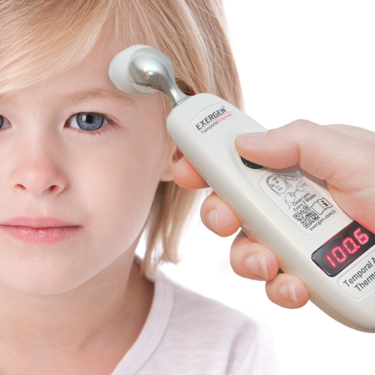
What is a normal oral temperature reading? Oral readings typically average 97.9°F to 99.1°F (36.6°C to 37.3°C) for healthy adults. What is a normal forehead temperature? Temporal artery (forehead) thermometers generally show about 97.9°F to 100.1°F (36.6°C to 37.8°C), influenced by technique and environment. These method-specific ranges fit within what is normal temperature range and help explain small differences between devices.
What Are the Symptoms?
If your temp is just a little low, you may only feel a bit chilly. But once it nears or dips below 95°F (35°C), more serious symptoms can show up:
- Confusion
- Slurred speech
- Shivering (which may stop as hypothermia worsens)
- Weakness and loss of coordination
- Cold, pale skin
- Slowed heart rate and breathing
In severe cases, hypothermia can lead to coma or even death, so it’s not something to ignore.
When Should You Be Concerned?
If your body temperature is consistently low or you’re feeling cold all the time, it’s good to check in with your healthcare provider. If you or someone else has signs of hypothermia, call 911 immediately. While waiting for help, move to a warm area, remove wet clothes, and cover up with blankets.
Regular Temperature Checks
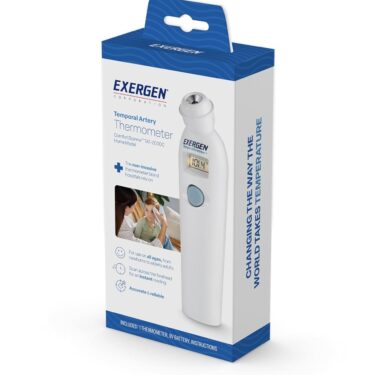
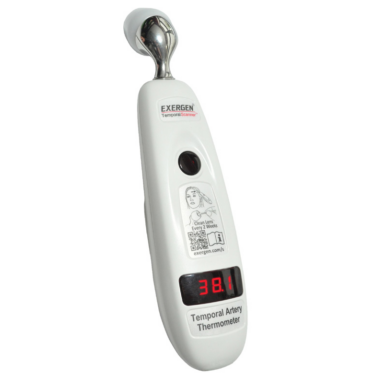
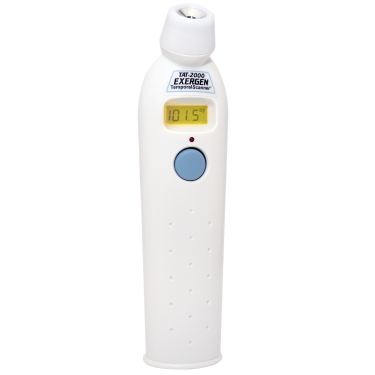
Since temperature is the main sign, it is important to use a reliable and accurate thermometer for temperature checks. For example, Exergen’s Temporal Artery Thermometer can help ensure you get a clear picture of any changes in your body temperature. This thermometer is easy to use, offering quick, non-invasive readings and, most of all, accurate results that can be taken twice daily with minimal hassle.
Bottom Line
A slightly low temperature isn’t always cause for panic. But if it’s persistent or comes with other symptoms, it’s worth investigating. Knowing what is normal temperature range for adults and kids, and how readings vary by method and time of day, can help you interpret results with confidence. When it comes to your health, it’s always better to be safe.
Source:
- Verywell Health, https://www.verywellhealth.com/low-body-temperature-5215488
Exergen P/N 850459
