

Fever is one of the body’s ways of signaling that something is wrong. However, when it comes to older adults, even a small rise in temperature can be a sign of something serious. What might seem minor at first can carry some real risks, so spotting early symptoms is key.
In our new series, Fever and the Elderly, we’re taking a closer look at why detecting fever in seniors often isn’t straightforward. As we age, our bodies go through changes, especially in how we regulate temperature. Older adults often have a lower baseline body temperature, and their immune responses can be more subtle. That means typical signs of fever like flushed skin or chills might not show up. Instead, the first signs might be confusion, fatigue, or a loss of appetite, things that are easy to overlook or mistaken for normal aging.
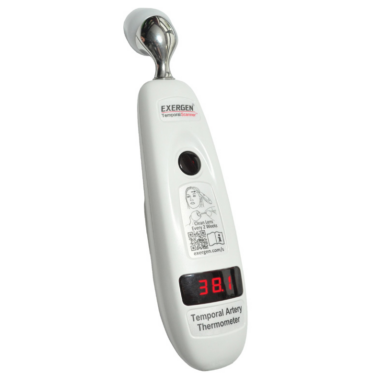
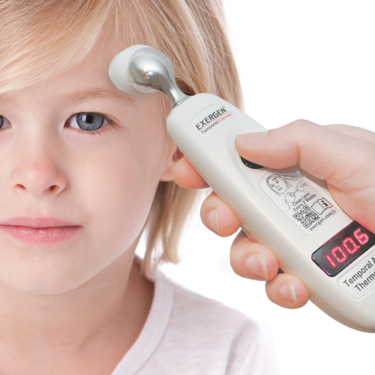
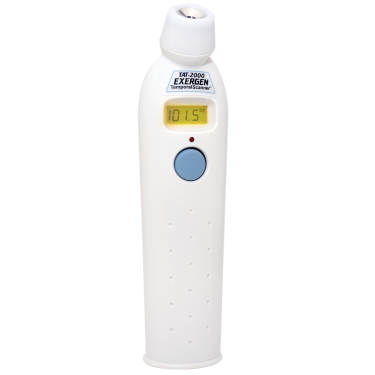
One simple but powerful way to catch these changes early is by regularly checking their body temperature. A tool like the Exergen Temporal Artery Thermometer makes this easy. It’s fast, accurate, and all it takes is a swipe across the forehead by gently touching it, to deliver a reliable reading. Regular monitoring can help spot issues before they become emergencies and can guide better care decisions.
Whether you’re caring for a parent, supporting a patient, or just want to stay informed, this series will share what to look for, the most common causes of fever in seniors, and most importantly, when it’s time to take action.
Source,
- Journal of the Indian Academy of Geriatrics, https://journals.lww.com/jiag/fulltext/2024/20020/fever_in_older_persons.6.aspx
Exergen P/N 850525
