
The world was deeply saddened by the news of Diane Keaton’s death on October 11, following complications from bacterial pneumonia. The Oscar-winning actress, beloved for her roles in The Godfather, Annie Hall, and countless other classics, leaves behind not only a remarkable cinematic legacy but also a stark reminder of how dangerous—and often underestimated—pneumonia can be.
A Silent and Persistent Threat
Pneumonia is an infection of the lung tissue that fills the air sacs with fluid, making it difficult to breathe. According to Dr. Isaac Biney, pulmonologist at the University of Tennessee Medical Center, “as soon as you start developing symptoms, you should contact somebody. Some people think it’s just the flu or a cold and assume they’ll get over it—but that can quickly snowball into something much more serious.”
Early symptoms often mimic those of a mild viral infection: fever, fatigue, and body aches. However, pneumonia typically progresses to shortness of breath, persistent coughing, and chest pain when breathing deeply. While anyone can develop pneumonia, older adults and people with chronic conditions such as asthma, COPD, or heart disease are particularly vulnerable.
“As we get older, the immune system gets weaker,” Dr. Biney explains. “That, combined with comorbid conditions or medications that suppress the immune system, increases susceptibility.”
Prevention and Vaccination
Pneumonia can be bacterial, viral, or fungal in nature. Vaccines exist for bacterial pneumonia, as well as for viral causes like influenza, COVID-19, and RSV, all of which can lead to pneumonia as a complication. Public health experts strongly recommend that adults aged 65 and older receive a pneumonia vaccine, and that everyone stay current on seasonal flu and COVID-19 boosters.
“Vaccination is very important,” Dr. Biney adds. “Our rates of vaccination are still too low, and we would like to see that improve. It’s one of the best ways to protect yourself.”
The Role of Early Detection
Even with vaccination, early recognition of infection remains essential. Fever is often the first and most reliable indicator that the body is fighting an infection. Detecting it promptly allows individuals and healthcare providers to take action before symptoms worsen.
Under these circumstances—especially during cold and flu season—checking your body temperature twice daily can make a critical difference. Subtle temperature changes can signal the onset of illness long before more severe symptoms appear.
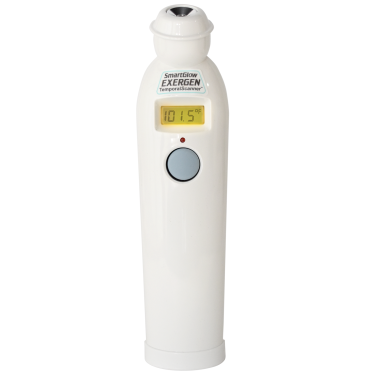
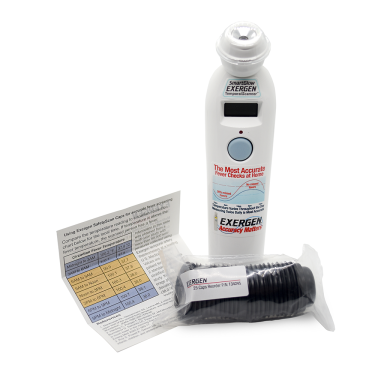
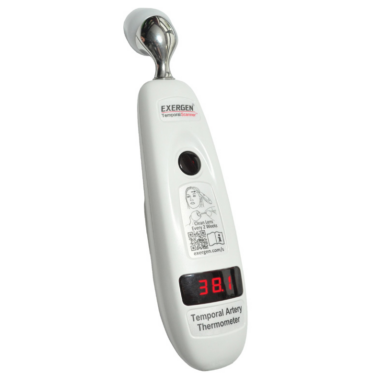
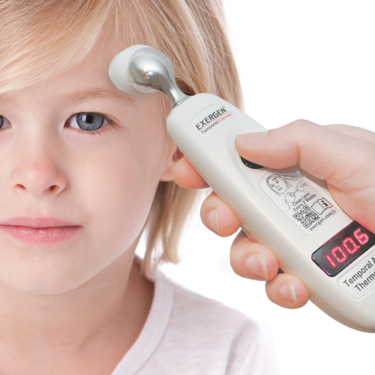
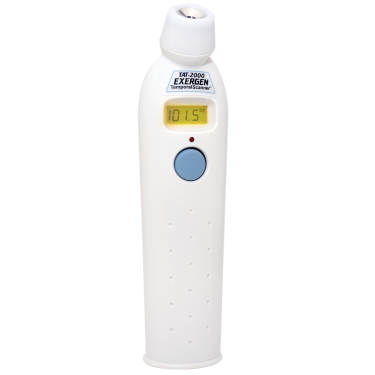
That’s why healthcare professionals and families alike trust the Exergen Temporal Artery Thermometer. It provides fast, accurate, and non-invasive temperature readings by measuring the heat emitted from the temporal artery—the same blood vessel that reflects core body temperature. Its ease of use and proven clinical accuracy make it ideal for both home and hospital settings, ensuring that fever never goes unnoticed.
A Simple Habit That Saves Lives
The loss of Diane Keaton serves as a solemn reminder that pneumonia is still a major health threat—one that can affect even the strongest among us. But early detection, timely medical attention, and preventive vaccination can dramatically improve outcomes.
Checking one’s temperature twice a day with a reliable, easy-to-use thermometer like the Exergen Temporal Artery Thermometer is a small act of vigilance that can have life-saving impact.
By making temperature monitoring part of your daily routine, you can help ensure that infections like pneumonia are recognized early—and treated before they become severe.
Source,
Yahoo, https://www.yahoo.com/news/articles/death-diane-keaton-underscores-threat-220357576.html
Exergen P/N 850576
