In older adults, fever can be a subtle signal sometimes so subtle that it goes completely unnoticed. Unlike younger individuals, seniors often don’t show the classic symptoms of infection, and their bodies may not mount a high enough temperature to trigger concern. That makes it all the more important to stay vigilant.
According to the U.S. National Institute on Aging (NIA), fever in the elderly can be caused by a wide range of conditions, from infections like the flu or urinary tract infections to chronic illnesses or heat-related illness. But spotting a fever in this age group can be tricky. “Older adults may have a lower baseline body temperature than younger people, so even a slight elevation can be significant,” the NIA explains.
Atypical Signs of Serious Illness
A key challenge in identifying fever in older people is that the usual cues shivering, flushed skin, sweating may not appear. Instead, a fever might manifest as confusion, fatigue, weakness, or even a lack of appetite. These signs are easily mistaken for general aging or the effects of medication, especially in those living with cognitive decline or multiple chronic conditions.
For caregivers and healthcare professionals, this raises an important issue: how to catch the early signs of illness before they escalate into serious health problems. The answer may lie in something very simple routine temperature checks.
Temperature Checks: A Small Step with Big Impact
Measuring body temperature twice a day is a low-effort but highly effective way to track subtle changes in health. It allows families, caregivers, and medical staff to detect infections before symptoms become severe. This is particularly critical in nursing homes or assisted living facilities, where infections can spread rapidly and where early treatment can make a substantial difference in outcomes.
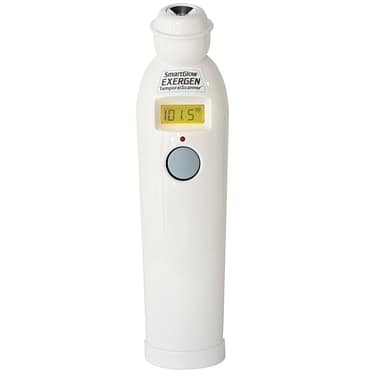
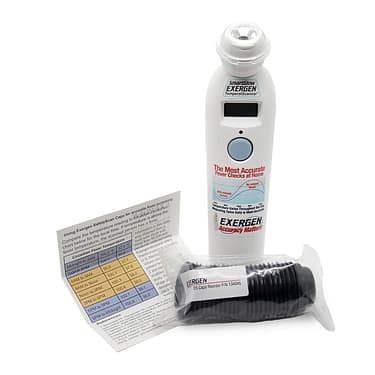
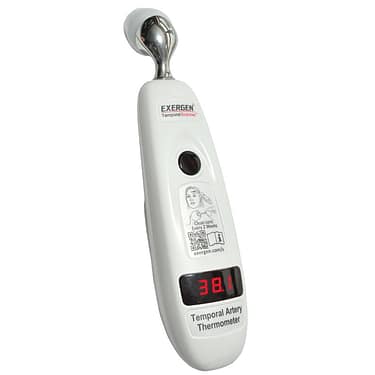
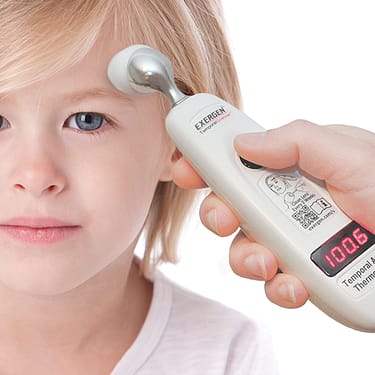
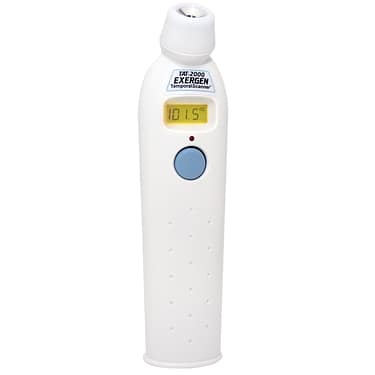
But daily monitoring must be easy and comfortable especially for seniors who may have sensitive skin or limited mobility. This is where non-invasive tools like the Exergen Temporal Artery Thermometer come in. Unlike traditional ear or rectal thermometers, the temporal artery thermometer works by gently scanning the forehead, providing fast and accurate readings without discomfort.
Because it’s quick, silent, and easy to use, the temporal artery thermometer is well-suited to older adults. It reduces the risk of error, increases compliance, and supports a calm, respectful care routine.
If an older person has a fever especially if it persists for more than a couple of days it’s important to seek medical advice. This is true even if the temperature increase seems mild. In older adults, even a 1–2 F (0,5–1°C) rise in temperature can signal a serious issue.
A Proactive Mindset in Aging Care
Illness in older adults doesn’t always play by the same rules as it does in younger people. A proactive approach based on observation, knowledge, and simple daily practices can prevent delays in diagnosis and treatment. Temperature checks may seem routine, but in elderly care, they are far from trivial.
Using an accurate and easy-to-use tool such as Exergen’s Temporal Artery Thermometer to measure temperature twice a day can be a practical and respectful way to detect changes early, giving older adults the attention and timely care they need.
Source:
Exergen P/N 850486
