
Oropouche fever is a viral infection, but it is rapidly spreading in warmer regions. In 1955 it was first identified in Trinidad and Tobago since then the virus has become endemic in parts of South America and the Caribbean. It is caused by the Oropouche virus, an Orthobunyavirus transmitted mainly through the bite of infected midges and mosquitoes.
According to the Pan American Health Organization (PAHO), in 2025 more than 12,700 confirmed cases have been reported across 11 countries. It has recently spread to Cuba and urban regions highlighting how climate change and urbanization can drive vector-borne diseases into new territories.
Oropouche fever begins with high fever, severe headache, muscle and joint pain, chills, and fatigue. Some patients experience nausea, rash, or eye pain, and about 60% report symptom recurrence within weeks. Most people recover in a few days, however in some instances the infection can lead to neurological complications such as meningitis or encephalitis.
Diagnosis includes an evaluation of symptoms, exposure history, and laboratory testing such as RT-PCR or antibody detection. Since Oropouche symptoms resemble dengue, chikungunya, or Zika, an accurate diagnosis is needed. There is no specific treatment or vaccine for Oropouche fever. Treatment includes rest, hydration, and medications to reduce fever and pain. Preventing insect bites remains the most effective defense. PAHO recommends using repellents containing DEET or IR3535, wearing long sleeves, and sleeping under bed nets, especially for pregnant women and people who live in rural areas.
Anyone with persistent high fever, neurological symptoms, or pregnancy-related concerns after visiting affected areas should seek medical attention.
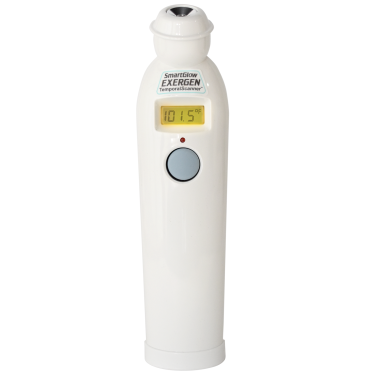
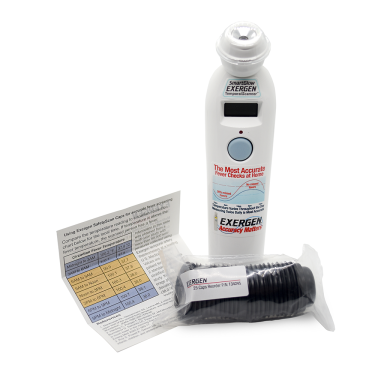
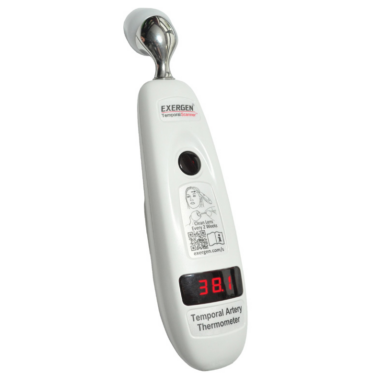
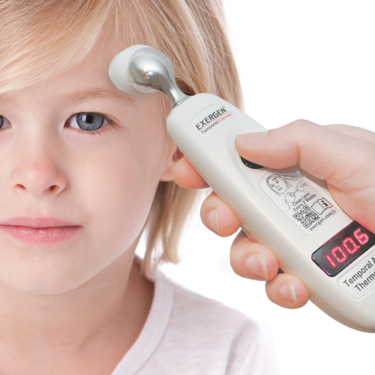
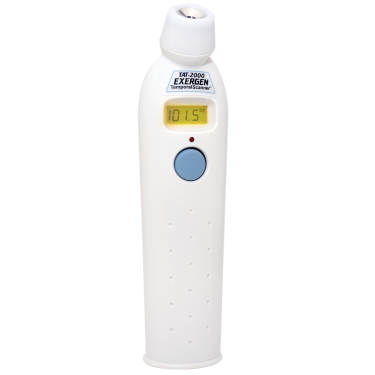
Since fever is one of the earliest signs of infection, regular temperature monitoring is critical. Using a thermometer that is both easy to use and medically reliable is essential. The Exergen Temporal Artery Thermometer is accurate, fast, reliable, easy to use, non-invasive, and requires just a gentle swipe across the forehead by softly touching it. This makes it suitable for both hospital staff and individuals at home.
As Oropouche continues to emerge globally, vigilance, prevention, and regular temperature checks remain crucial toward protecting community health.
Sources,
Exergen P/N 850579
