
When your lungs react to something irritating or harmful like an infection, pollution, or even injury, the body quickly sends immune cells for protection. This is called lung inflammation, and it might show up suddenly and fade fast, or it might linger for months or years. While this response is meant to help bodies heal, too much or ongoing swelling in airways can make it harder to breathe and can lower how much oxygen a body gets.
Common Signs and Symptoms
Symptoms of lung inflammation are not the same for everyone, and they can start slowly or come on all at once:
- Feeling tired or worn out
- Wheezing
- Shortness of breath
- Coughing (sometimes dry, sometimes with mucus)
- A tight, heavy, or painful feeling in the chest
- Getting tired easily with activity
If the inflammation lasts a long time, it is possible to experience loss of appetite or lose weight without trying.
Who Needs to Watch Out?
People are more likely to develop lung inflammation, especially if their lungs already have some stress or exposure to irritants. This includes:
- Smokers, or those around secondhand smoke
- People with asthma or COPD
- Workers near industrial chemicals or pollutants
- Anyone with a weakened immune system
- People with autoimmune diseases like lupus or rheumatoid arthritis
What Might Underlying?
Lung inflammation can sometimes be a clue that another health issue needs attention. Some of these include asthma, chronic bronchitis, pneumonia, autoimmune lung disease, a blood clot (pulmonary embolism), or, in rare cases, even lung cancer. If inflammation continues without treatment, it can sometimes cause lasting problems, like bronchiectasis, low oxygen levels, or in severe cases, respiratory failure.
Triggers to Watch For
Here are some common causes of lung inflammation:
- Breathing in smoke, pollution, chemical fumes, aerosol sprays, dust, or allergens
- Infections like colds, the flu, COVID-19, tuberculosis, or certain fungal illnesses
- Chronic lung diseases such as asthma, COPD, or cystic fibrosis
- Certain autoimmune disorders that attack lung tissue
- Chest injuries or trauma
- Blood clots in the lungs
- Some cancers and their treatments
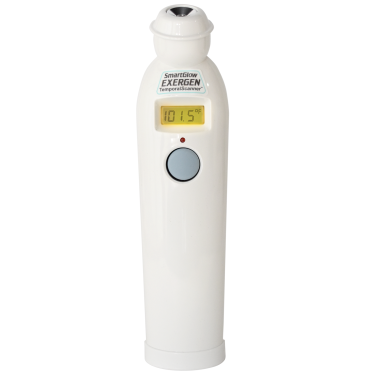
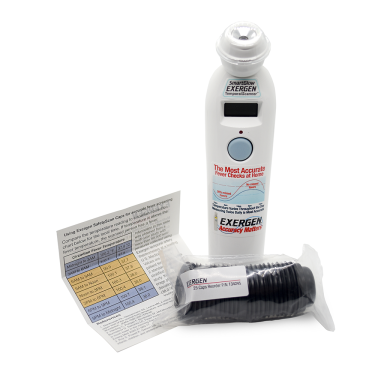
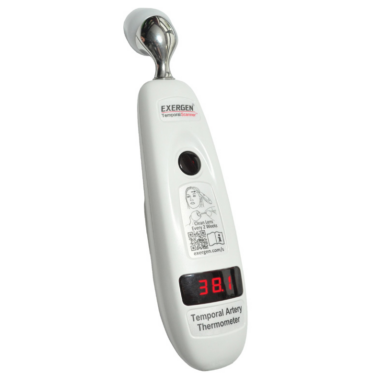
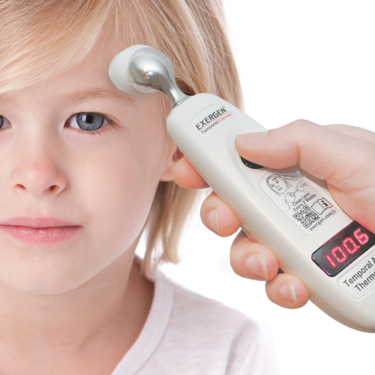
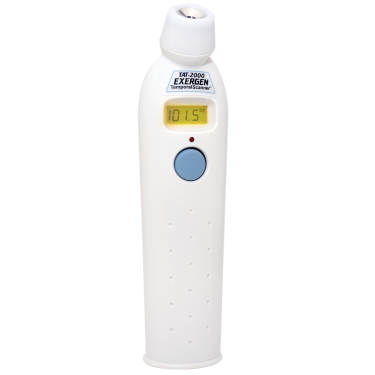
Since infections are a common cause, it’s smart to keep track of your temperature. Products like Exergen’s TempoTherm and TAT-2000C Temporal Artery Thermometers are designed for easy and accurate temperature checks, needing just a gentle swipe across the forehead.
How Is It Treated?
Treatment really depends on what’s causing the inflammation. For example:
- Infections may need antibiotics, antiviral, or antifungal medicines
- Asthma or COPD is often treated with inhaled or oral steroids
- Allergies might be managed with antihistamines or immunotherapy
- Autoimmune causes sometimes need immunosuppressant or biologic medications
- Severe cases may call for oxygen therapy, mechanical breathing support, or, if the lung is badly damaged, surgery to remove affected tissue
Can You Prevent Lung Inflammation?
Yes, there are ways to prevent it:
- Avoid smoking or secondhand smoke
- Use protective gear when working around chemicals or dust
- Stay on top of managing asthma or COPD
- Make sure your vaccines are current
- Aim for clean, healthy air whenever possible
When to Call a Doctor?
If it suddenly gets harder to breathe, chest pain worsens, or skin turns bluish (which is a sign of low oxygen), seek expert medical attention right away. Or a cough that won’t go away, feel unusually tired, or notice long-lasting shortness of breath, it’s a good to see a healthcare provider.
Source:
- Very Well Health, https://www.verywellhealth.com/lung-inflammation-1745274
EXERGEN P/N 850586
