Across Europe, healthcare authorities are raising the alarm about a dangerous fungal infection spreading rapidly in hospitals: Candida auris (recently renamed Candidozyma auris). Once a rare pathogen, it has become a significant healthcare threat due to its persistence in hospital environments and its resistance to standard treatments.
Symptoms to Watch For
Infections caused by Candida auris can resemble a severe flu. Common symptoms include:
- Fever
- Chills
- Fatigue
- Muscle aches
Because these signs overlap with many other conditions, infections are often difficult to detect early. Yet early recognition is critical, especially in hospital environments where vulnerable patients are most at risk.
Rapid Increase in Reported Cases
The European Centre for Disease Prevention and Control (ECDC) has documented a steep rise in cases. Between 2013 and 2023, over 4,000 infections were reported across member countries:
- Spain: 1,807 confirmed cases
- Greece: 852 cases
- Italy: 712 cases
- Romania: 404 cases
- The Netherlands: 13 cases
The true number may be higher, as reporting is not mandatory in most countries. Without systematic testing, some outbreaks may remain undetected. Candidozyma auris has in just a few years grown from isolated cases to more widespread presence. This shows how quickly it can establish itself in hospitals. But this is not inevitable. Early detection and rapid, coordinated control measures can still prevent further spread.
Why Daily Temperature Checks Matter
One of the earliest and most reliable indicators of infection is fever. In situations where Candida auris and other infectious diseases are spreading, monitoring body temperature becomes a crucial step in personal and community health.
Checking body temperature twice daily helps identify fevers early, even before other symptoms become apparent. This allows individuals to seek medical advice more quickly, while healthcare professionals can respond faster to potential infections.
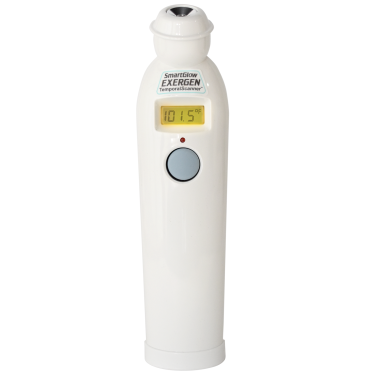
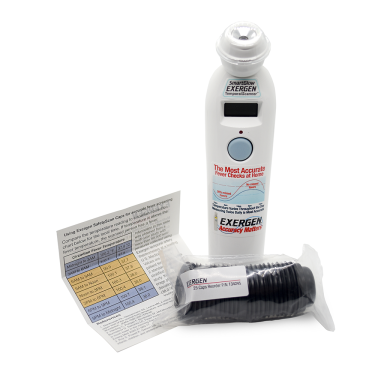
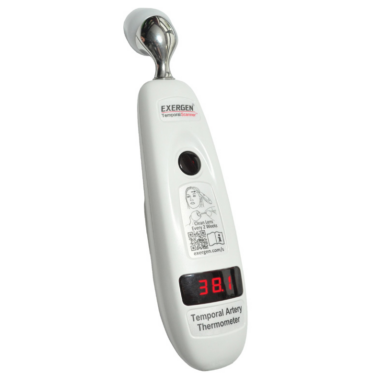
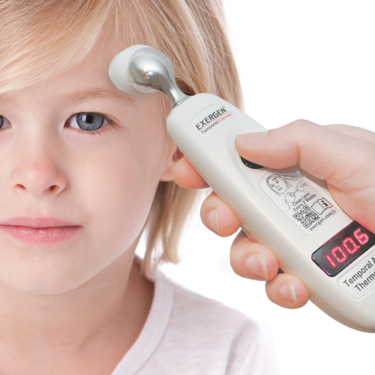
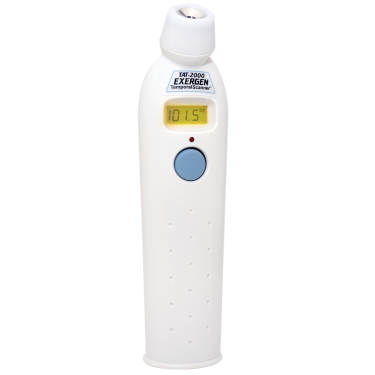
Using a thermometer that is both easy to use and medically reliable is essential. The Exergen Temporal Artery Thermometer is accurate, fast, reliable, easy to use, non-invasive, and requires just a gentle swipe across the forehead by softly touching it. This makes it suitable for both hospital staff and individuals at home.
Vigilance Is Key
With the rise of Candida auris across Europe, vigilance is the best defense. Combining strong infection control in hospitals with personal measures such as regular fever monitoring helps limit the spread and ensures that infections are caught early.
Twice-daily temperature checks may seem like a small precaution, but in the fight against emerging healthcare threats, such simple actions can play a vital role.
Source:
Exergen P/N 850550
